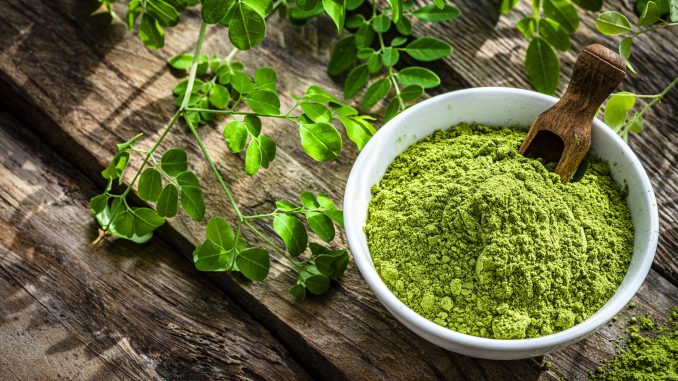
Moringa is a fast-growing tree native to parts of South Asia, but it is now widely cultivated across Africa, Asia, and Latin America. It is often called the “drumstick tree,” “miracle tree,” or “tree of life” because nearly every part of the plant has a practical use.
The most commonly used part of the tree is its leaves, which are packed with vitamins, minerals, antioxidants, and plant compounds. The leaves can be eaten fresh, cooked, or dried and ground into powder. Moringa seeds, pods, flowers, and even roots also have various culinary and traditional uses.
In countries like Nigeria, moringa has become popular as a nutritious addition to soups, teas, smoothies, and supplements.


What Is Moringa?
Moringa refers primarily to Moringa oleifera, the best-known species in the Moringa family. It thrives in hot, dry climates and can grow rapidly, even in poor soil.
The tree is valued because it provides:
- Edible leaves rich in nutrients
- Seed pods used as vegetables
- Seeds that can produce oil
- Flowers that attract pollinators
- Shade and erosion control in farming
For many communities, moringa is both a food crop and an important source of nutrition.
Nutritional Value of Moringa
Moringa leaves are naturally rich in many essential nutrients, including:
- Vitamin A
- Vitamin C
- Vitamin E
- Vitamin K
- Calcium
- Potassium
- Iron
- Magnesium
- Protein
- Dietary fiber
The leaves also contain antioxidants such as quercetin, chlorogenic acid, and beta-carotene, which help protect cells from oxidative stress.
Top Health Benefits of Moringa
1. Rich in Nutrients
One of moringa’s biggest advantages is its impressive nutritional profile.
Adding moringa leaves or powder to meals can increase your intake of essential vitamins and minerals, especially where diets may lack variety.
2. High in Antioxidants
Antioxidants help protect the body’s cells from damage caused by unstable molecules called free radicals.
Moringa contains several natural antioxidants that may help reduce oxidative stress associated with aging and chronic disease.
3. May Help Reduce Inflammation
Inflammation is a normal response to injury or infection, but long-term inflammation may contribute to chronic health problems.
Some plant compounds found in moringa have shown anti-inflammatory effects in laboratory and animal studies. More human research is still needed.
4. May Support Healthy Blood Sugar Levels
Several small studies suggest that moringa may help improve blood sugar control in some people.
However, current evidence is limited, and moringa should not replace prescribed diabetes medications. Anyone with diabetes should consult a healthcare professional before using moringa supplements.
5. May Support Heart Health
Some research suggests moringa may help support cardiovascular health by:
- Helping maintain healthy cholesterol levels
- Supporting normal blood pressure
- Providing antioxidants that protect blood vessels
While the findings are encouraging, larger human studies are needed.
6. May Boost Immune Function
Because it contains vitamins A, C, E, zinc, and antioxidants, moringa can contribute to a healthy immune system as part of a balanced diet.
No food alone can prevent illness, but nutrient-rich foods help support normal immune function.
7. May Promote Healthy Digestion
Moringa leaves provide dietary fiber, which supports:
- Healthy digestion
- Regular bowel movements
- A balanced gut microbiome
Some people also use moringa tea to aid digestion, though scientific evidence for specific digestive benefits remains limited.
8. May Help Combat Nutrient Deficiencies
In some regions, moringa is used in nutrition programs because it can provide important nutrients where access to diverse foods is limited.
Its high nutrient density has made it a valuable food in efforts to improve dietary quality.
How to Use Moringa


There are many ways to enjoy moringa:
- Add fresh leaves to soups and stews.
- Blend moringa powder into smoothies.
- Stir a small amount into yogurt or oatmeal.
- Brew dried leaves as herbal tea.
- Take moringa capsules if recommended by a healthcare professional.
If you’re new to moringa, start with a small amount to see how your body responds.
Are There Any Side Effects?
Moringa leaves are generally considered safe when eaten as food.
However, supplements or concentrated extracts may not be suitable for everyone.
Possible concerns include:
- Digestive discomfort if taken in large amounts
- Potential interactions with medications for diabetes or high blood pressure
- Limited safety data during pregnancy for certain parts of the plant (especially root, bark, or concentrated extracts)
If you are pregnant, breastfeeding, have a chronic medical condition, or take prescription medication, speak with your healthcare provider before using moringa supplements.
Frequently Asked Questions
Is moringa a superfood?
Many people describe moringa as a superfood because of its high nutrient and antioxidant content. However, “superfood” is a marketing term rather than a scientific classification.
Can moringa help with weight loss?
Moringa is not a weight-loss cure. It may support a healthy diet because it is nutrient-dense and low in calories, but sustainable weight loss still depends on overall eating habits and physical activity.
Can you eat moringa every day?
Many people safely consume moringa leaves or powder daily as part of a balanced diet. Moderation is important, and supplements should be used according to product directions or medical advice.
Which part of moringa is most nutritious?
The leaves are generally considered the most nutrient-rich part of the plant and are the most commonly consumed.
Final Thoughts
Moringa is one of the most nutrient-dense plants available, offering vitamins, minerals, antioxidants, and beneficial plant compounds that can support overall health. While research suggests it may help reduce inflammation, support heart health, and contribute to healthy blood sugar levels, it is not a substitute for medical treatment or a balanced diet.
Whether you enjoy it as fresh leaves, tea, or powder, moringa can be a nutritious addition to your meals when consumed in moderation. Combined with a healthy lifestyle, it can help you meet your nutritional needs and support your overall well-being.
Leave a Reply